Tight, flaky skin: the telltale signs of over-exfoliation

There comes a point when your skin no longer reacts the way it used to. A serum that stings now, even though it didn't sting the week before; a tight, pulling sensation that won't go away; patches of flaky skin here and there—even though you haven't changed anything else in your routine.
The instinct is often to apply a soothing treatment on top, thinking it will calm tired skin. But the most common—and least suspected—cause can be summed up in one word: the skin has been over-exfoliated.

What's Really Going On Beneath the Surface
Exfoliation involves accelerating the turnover of dead cells in the stratum corneum, the outermost layer of the epidermis, which acts as a barrier between the skin and the outside environment. Mechanical exfoliation, acids (glycolic, salicylic, lactic), and cleansing brushes all work on this same principle. The problem isn’t the treatment itself, but how often it’s done: the stratum corneum is structured like a brick wall, where cells are held together by a lipid “cement” made of ceramides, cholesterol, and free fatty acids—this cement retains water and blocks external aggressors. If done too often, this cement doesn’t have time to regenerate between treatments.
The telltale signs
Over-exfoliated skin sends out characteristic signals that are often misinterpreted at first: diffuse and persistent redness, a tingling sensation when applying a skincare product that previously caused no discomfort, and skin that feels unusually dry and rough with small patches of flaking. The most confusing sign is paradoxical: some skin types react to excessive exfoliation with a breakout—the opposite of the desired effect. The weakened skin barrier allows irritants and bacteria to penetrate more easily, and the skin responds with localized inflammation.
The proper treatment for over-exfoliated skin is almost always to remove something, not to add anything.

Why "More" Is Never "Better"
When faced with a dull complexion, it’s tempting to increase the frequency of exfoliation to speed up results—but the opposite actually happens. Repeated exfoliation depletes ceramide reserves, disrupts the proteins that bind keratinocytes together, and reduces the production of the skin’s natural moisturizing factor. Most recommendations agree on a maximum of two to three chemical exfoliations per week, with longer intervals for sensitive skin. Combining multiple active ingredients—an acid-based toner in the morning, retinol at night, and a scrub on the weekend—is one of the surest ways to exceed this limit without realizing it.
The habit to avoid: adding instead of subtracting
When faced with tight skin, the most common instinct is to add: a soothing mask, a reparative serum, and sometimes an extra gentle exfoliator to “remove any remaining dead skin cells.” Every new product introduces a variable into skin that’s already out of balance. Stopping all exfoliating ingredients and retinol for one to two weeks—giving the lipid barrier time to rebuild—is enough in the vast majority of cases to make tightness and redness disappear.

Cleanser — VIBRE PARIS
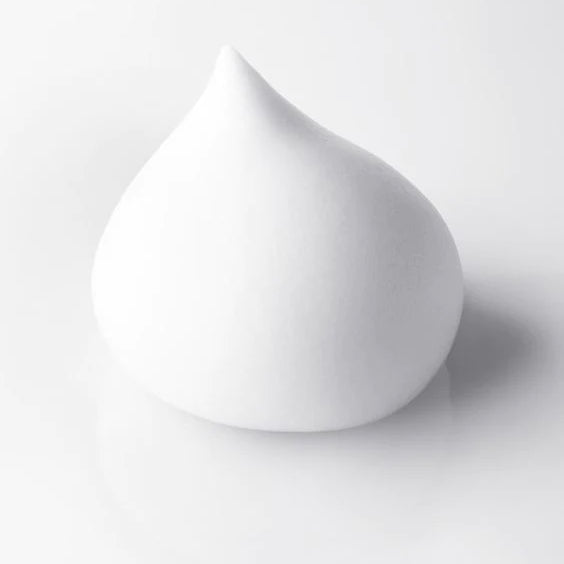
It’s often after an episode of over-exfoliation that we best understand why the skin’s barrier protects itself first and foremost by limiting what we ask of it, rather than by multiplying the steps we take to supposedly strengthen it. At VIBRE, the cleanser was designed to never impose this strain: it removes impurities without stripping the skin, leaving it feeling comfortable after rinsing.
Sources
- French Society of Dermatology (SFD) — Structure of the Stratum Corneum and Lipid Cement
- MSD Manual — Barrier Function and Natural Moisturizing Factor
- Journal of the American Academy of Dermatology (JAAD) — Over-exfoliation and Skin Irritation