Biomimetic Peptide & Multicermide Cream
Ritual 03: Not just the appearance of fewer wrinkles. Clinically measured depth. -21% in controlled clinical trials.
The difference between a cream that smooths the appearance of wrinkles and one that clinically reduces their depth is the difference between making a promise and proving it.
✔ 96% notice firmer, plumper skin
✔ 21% reduction in wrinkle depth (clinically measured after 5 weeks)
✔ 100% report an improvement in skin elasticity
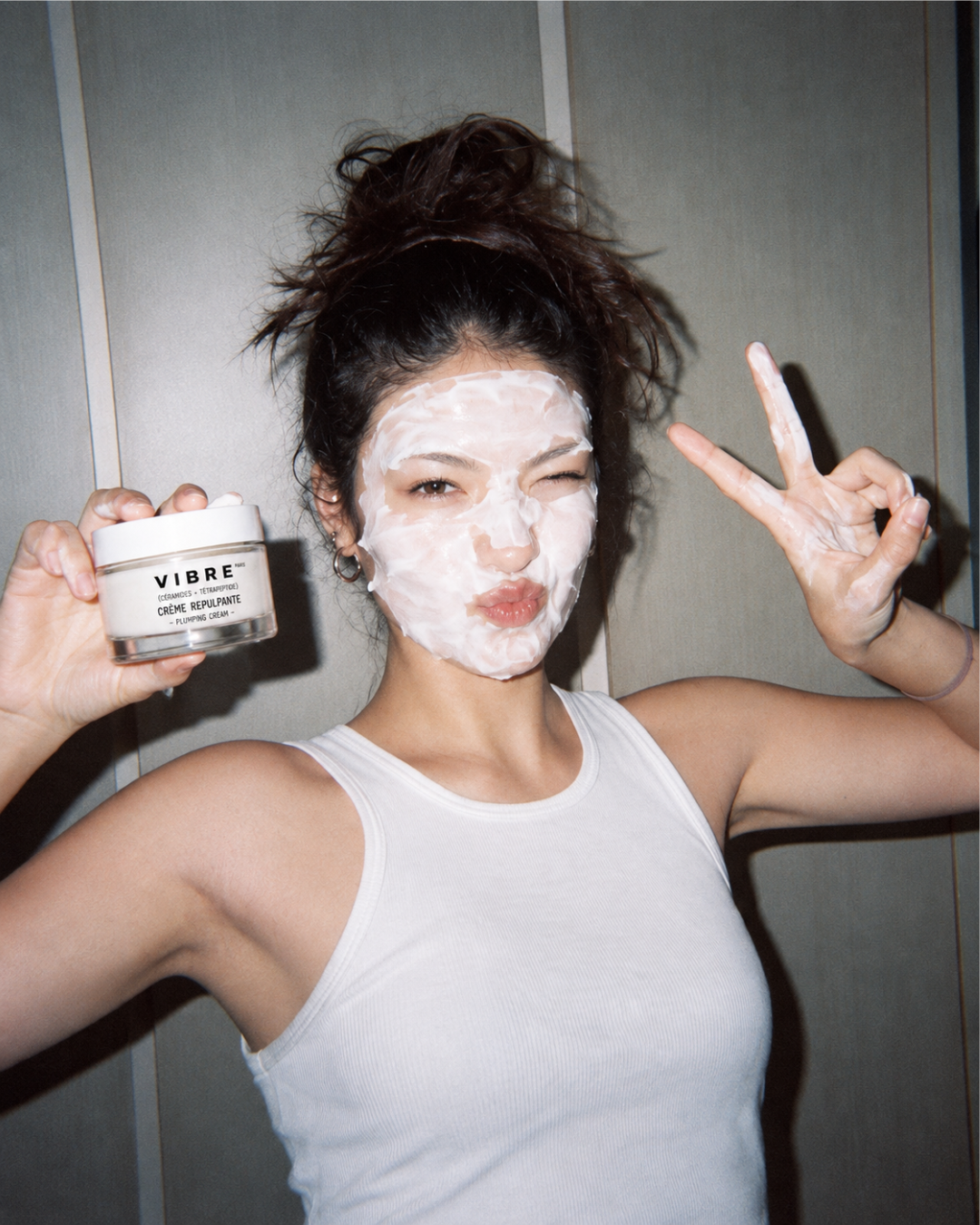
VIBRE cream has been formulated with two types of ceramides (NP and AP) and a regenerating peptide (Caprooyl Tetrapeptide-3), whose synergistic action has been clinically proven to target the skin’s deep structure.
Over time: plumper, firmer, more resilient skin. Not just a superficial effect that fades away. A structural and long-lasting effect.
Fragrance-free • Alcohol-free •Free ofendocrine disruptors • Vegan • Made in Paris
Apply after the Biotech Niacinamide Serum.
Unable to load pickup service availability

Collapsible content
Clinical results
- 96% report firmer and plumper skin
- -21% wrinkle depth
- 100% report improved skin elasticity
Ingredients
Caprooyl Tetrapeptide-3 — A regenerating peptide that stimulates the body’s natural collagen production. It targets the depth of wrinkles, not just their appearance.
Ceramide NP + Ceramide AP — Two types of ceramides identical to those found in your skin. They restore the skin barrier, lock in moisture, and reduce sensitivity. They are particularly important after age 30, when the skin’s natural production of ceramides declines.
Niacinamide — When used in conjunction with the serum, it improves skin elasticity and helps even out skin tone when applied as a cream.
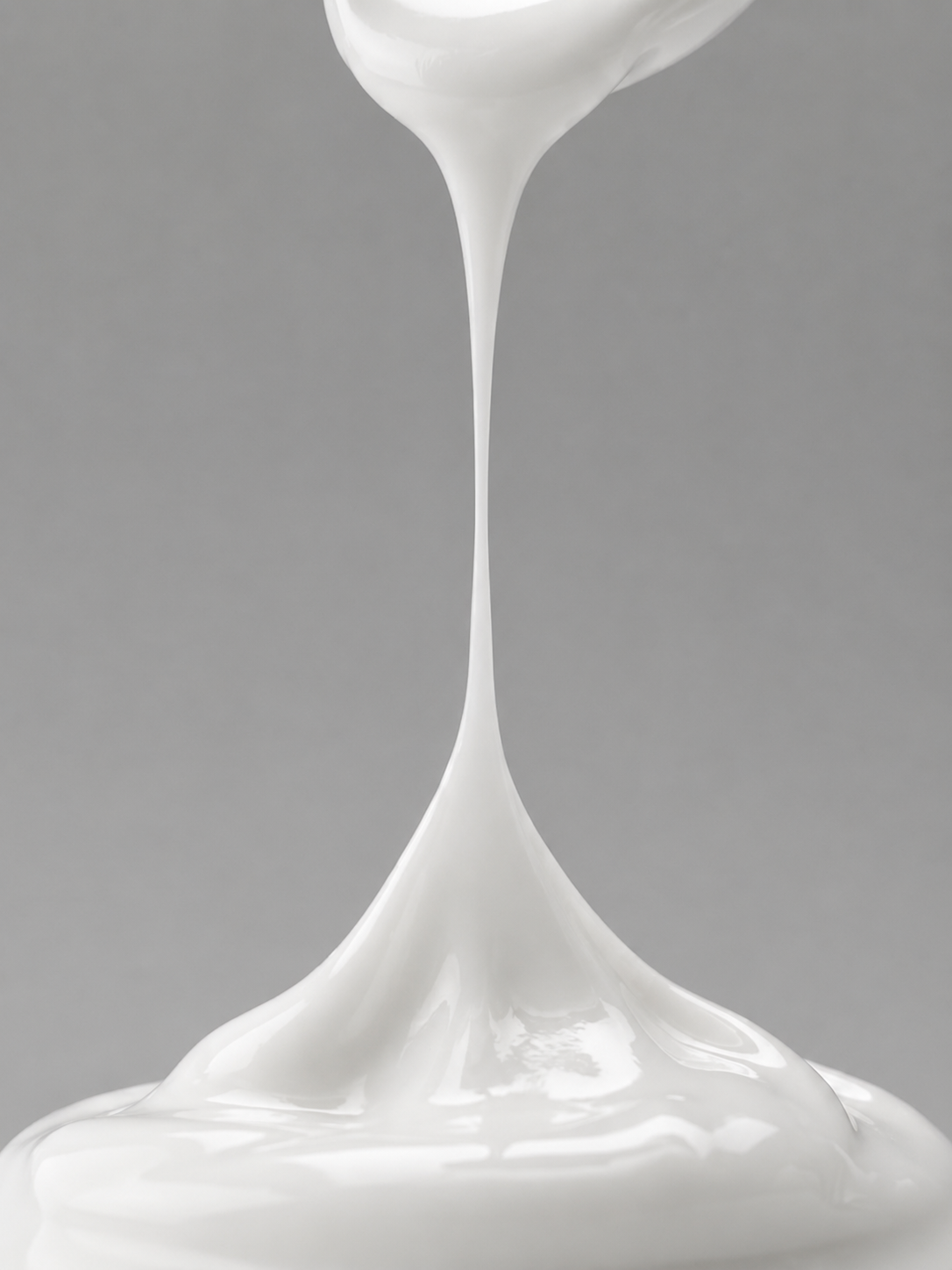
Shea butter — Deeply nourishing and non-comedogenic. Helps maintain the cream’s rich texture without clogging pores.
Tocopherol (Vitamin E) — A powerful antioxidant that protects the skin from free radicals and enhances the action of ceramides.
Instructions for Use
1. Morning and night, after applying serum, apply a small amount of cream to your face and décolletage.
2. Gently massage in circular motions until fully absorbed.
Use as the third step after your cleanser and serum for best results.
Banned ingredients
We exclude:
- Skin-sensitizing ingredients: Fragrance, essential oils, alcohol, colorants...
- Endocrine disruptors: parabens, phthalates, and triclosan.
- Petrochemical derivatives: paraffins , silicones, and hydrocarbon derivatives.
- Ingredients of animal origin
- CMR classified substances: these are compounds identified as Carcinogenic, Mutagenic, or Toxic for Reproduction.
INCI LIST
Aqua (Water), Caprylic/Capric Triglyceride, Behenyl Alcohol, C10-18 Triglycerides, Butyrospermum Parkii (Shea) Butter, Cocos Nucifera (Coconut) Oil, Silica, Microcrystalline Cellulose, Arachidyl Alcohol, Niacinamide, Talc, Caprooyl Tetrapeptide-3, Ceramide NP, Ceramide AP, Tocopherol, Sodium Anisate, Xanthan Gum, Arachidyl Glucoside, Sodium Levulinate, Cellulose Gum, Citric Acid, Dextran, Helianthus Annuus (Sunflower) Seed Oil
Biomimetic Protocol

3 steps, 3 minutes, 1 routine.
Our philosophy is based on biomimicry: respecting and supporting the natural mechanisms of the skin, an intelligent and self-regulating organ. We combine precisely dosed biotechnological ingredients to create skincare products that work in perfect harmony with your skin, offering targeted and effective results within a minimalist routine. Each product is designed to treat imperfections while strengthening the skin's barrier to combat visible signs of aging.
The Notebook
Show all-
Enlarged Pores: What You Can Really Do About Them...
Pores are one of the most common skin concerns—and one of the most misunderstood. Every week, I see patients who are frustrated by “pore-minimizing” skincare products that don’t...
Enlarged Pores: What You Can Really Do About Them...
Pores are one of the most common skin concerns—and one of the most misunderstood. Every week, I see patients who are frustrated by “pore-minimizing” skincare products that don’t...
-
Hormonal Acne After Age 30: Understanding the Cycle...
Acne after age 30 is often described as "hormonal" — but this term covers a wide range of conditions that vary greatly from person to person. Understanding exactly what type of acne you have and what causes it...
Hormonal Acne After Age 30: Understanding the Cycle...
Acne after age 30 is often described as "hormonal" — but this term covers a wide range of conditions that vary greatly from person to person. Understanding exactly what type of acne you have and what causes it...
-
Sensitive Skin: What It Really Means and ...
About 60% of women and 40% of men describe themselves as having sensitive skin. And yet, in the vast majority of cases, “sensitive skin” is not a permanent genetic condition...
Sensitive Skin: What It Really Means and ...
About 60% of women and 40% of men describe themselves as having sensitive skin. And yet, in the vast majority of cases, “sensitive skin” is not a permanent genetic condition...